April 5, 2012, 1:31 PM
Blogger

The biggest competitors you’ve never heard of

Paul Demery

Chief Technology Editor

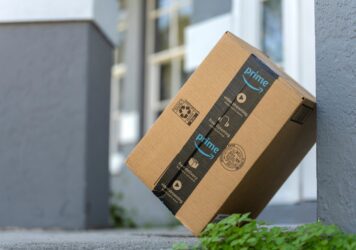
Everyone knows about the power of the Amazon.com marketplace and the opportunities it offers online retailers, and we hope we shed some light on the ups and downs of that selling channel in Internet Retailer’s January cover story.

But one aspect of Amazon and other big e-marketplaces we didn’t cover in that story is the emergence of huge sellers that, with virtually no direct investment in their own warehousing, marketing or brand development and names like A-1(insert product category here), are riding the growth wave of e-marketplaces to hit big sales numbers—typically about $20 million to $30 million a year, but in some cases to the tune of a hundred million dollars or more, according to Eric Best, CEO of Mercent Corp., and Scot Wingo, CEO of ChannelAdvisor Corp., two companies that help retailers sell through Amazon and other e-marketplaces. Such sellers, they say, typically build up an expertise in sourcing a particular product category—often commodities like toothpaste, dog food or school supplies typically in constant high demand—rely on Amazon for warehousing, fulfillment and marketing, and win favorable buying terms from suppliers as they build large volumes of retail transactions and solid ratings and reputations as e-marketplace sellers. That allows them to offer cut-rate retail prices—all while forgoing much if any investment in marketing or warehousing outside of their e-marketplace fees.

Both the sellers and the e-marketplace benefit. The e-marketplace gets to earn commission revenue without having to take on the risk of buying inventory, and the sellers cash in on the e-marketplace’s huge market exposure—in Amazon’s case, more than 150 million unique monthly visitors. The sellers will typically explore a category that appears to be underserved, perhaps flutes or other musical instruments for middle-school kids; if sales are good, they’ll add complementary items and sell them in a bundle, such as a flute carrying case and sheet music, and describe it as a beginner’s package for students. Then they do the same things with saxophones, and clarinets.

And because they operate with thin staffs—often five or fewer—and virtually no marketing or warehouse expenses, they often can sell at prices that win them placement in Amazon’s buy box, the prime position on an Amazon search results page. The craftier sellers among this bunch are flexible enough to switch to other products if Amazon or other big competitors move in on their turf with similar products at lower prices. If you’ve come across these types of sellers—or have any other comments on these observations—please let us know in the reply box below. We’ll be writing more about these tactics, and other strategies for selling on the increasingly important online marketplaces like Amazon and eBay, in the months to come.

Comments

Sign In to Make a Comment

Comments are moderated by Internet Retailer and can be removed.

Not a member? Signup for free today!

Recent Posts from this Blog

FPO

Bill Siwicki / Focus on Mobile Commerce

Amazon Phone rumors reach a boiling point

Will Amazon take on Apple in a hardware war?

FPO

Stefany Moore / E-Retailer Watch

Top 500 Twitter trivia

As a thank you, we’re giving away free Top 500 Guides starting Mon., May 13. ...

FPO

/ E-Commerce Observer

Get your global groove on

How many of your web site visitors each month come from other countries?

FPO

Brian Cohen / Focus on Mobile Commerce

What if we've got mobile wallet all wrong?

The future of adoption may not be as reliant on NFC as some may think.

Advertisement

Advertisement

Advertisement

!True!

To skip, click the "Continue to Site" link to the right.

— Internet Retailer
Continue to site

Advertisement