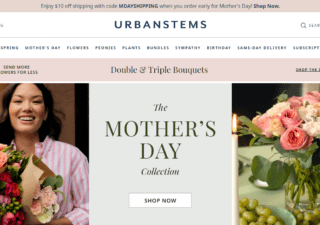
A screengrab that shows how Cardlytics' ads appear to consumers.
While some consumers consider logging into their online bank statements a moment of penance for damage done, Cardlytics sees it as an opportunity to grab consumers’ attention while they focus on their finances.
Cardlytics provides retailers advertising space under the transaction lines of online bank statements. Targeted offers are based on the consumer’s prior transactions. For example, a discount offer for an apparel e-retailer may appear under the transaction detail for a purchase made at a competing apparel site.
The firm secured an additional $18 million in new financing this month. New investors include ITC Holdings and Kinetic Ventures. Cardlytics will use the funds to develop new products, including a version of its marketing program that will work when consumers view bank statements on their mobile phones, says CEO Scott Grimes.
Cardlytics launched the service in 2009 and Grimes says the service will have more than 10 million consumers in its system by the end of August.
“The online banking audience is very engaged. They are looking at their finances and thinking about their money. Each offer is targeted with each consumer’s individual transactional data for relevance,” he says.
To reach bank customers, Cardlytics contracts with larger banks and with processing firms that provide online services to smaller banks; Grimes declined to reveal the financial benefit for the financial institutions. An advertiser pays when a consumer clicks through and makes a purchase.
Here’s how the Cardlytics system works: A consumer logs in to his online bank account statement. Discounts, typically cash-back offers, are matched beneath debit or credit card transactions. He clicks on an offer to activate it. This ties the offer to his bank-issued debit or credit card. If he later completes the offer using one of his bank cards, he will see the stated reward appear on his account. Offers can be tied to in-store purchases or online purchases based on advertiser preference, Grimes says.
He says the average click-through rate is more than 50% on any offer, and the redemption rate, calculated when the offer is completed, is about 5%. A bank customer can see upward of 40 offers per statement.
The bank tie-in provides a deep source of historical transactional data, which means advertisers can target their offers by location, consumer spending habits and more, which contributes to the high participation, Grimes says . “The advertiser can target consumers who are active in their category but that haven’t shopped the retailer for six months. These are customers they have not been able to secure,” he says.
Cardlytics receives confirmation from the bank when a transaction is completed and at no time is a consumer’s information shared with Cardlytics or its advertisers, Grimes says.


Comments
Sign In to Make a Comment
Comments are moderated by Internet Retailer and can be removed.