Internet search is a hot online marketing tool, but despite the recent buzz, search opportunities for retailers and other advertisers aren’t just about buying spots on Overture/Yahoo or Google. Search marketing services providers such as Frederick Marckini, CEO of iProspect.com Inc., are already seeing a coming trend within search: Content portal as search engine.
The idea is that consumers who initiate a search from a site organized around particular content are closer to a transaction than if they initiate a search from a more general search engine and that eventually, the payment structure for keywords will reflect this. “If you search for `seal` on the Thomas Register, chances are you are looking for some kind of a gasket. If you look for `seal` on National Geographics’ site, it’s the mammal. Google and Yahoo are hamstrung by the fact that anyone can search for anything on them; if you look for “seal” there, it could be either,” says Marckini.
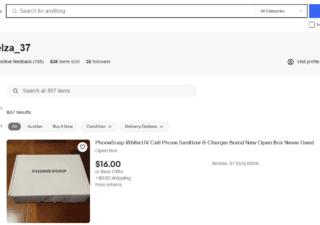
Similarly, a search for books on Amazon is more indicative of intent than a search for books on Google, he adds. Searches on such “vertical portals” evidence more intent and can produce a much higher degree of relevancy than mass market search interfaces can, he says. The power of the vertical portal’s brand combined with restrictions on the type of documents that can be shown there can produce much more specific search results, he adds.
“You see search distributed across a variety of content portals that are in fact search engines. Yet these content portal managers have yet to recognize their site as a search interface. But paid search, as it migrates to these vertical search engines, will have differing prices based on how close the search interface is to buying behavior,” he says. As a result, he says, general search engines could start to form partnerships to provide site search on content portals in exchange for being able to serve ads there.


Comments
Sign In to Make a Comment
Comments are moderated by Internet Retailer and can be removed.